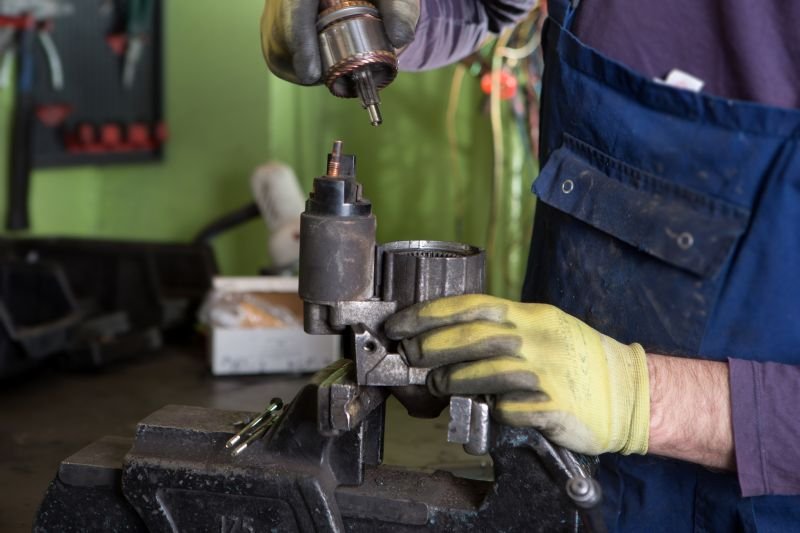
Your generator isn't just a convenience; it's a critical lifeline. When the power grid falters, it's the hum of that machine that keeps your home safe, your business running, and your essential systems online. But what happens when your lifeline needs a little TLC, or worse, a major intervention? The thought of a malfunctioning generator is stressful enough, let alone the task of Choosing a Generator Repair Professional who truly knows their stuff. This isn't a decision to rush; it's about safeguarding your investment, your comfort, and your peace of mind.
Finding the right expert means the difference between a quick, reliable fix and a prolonged, costly headache. You need a partner who understands the intricate dance of circuits, fuel systems, and engine mechanics, ensuring your power is restored efficiently and effectively when it matters most.
At a Glance: Your Checklist for Choosing a Generator Repair Professional
- Prioritize Experience: Look for technicians specializing in standby power, certified for specific brands, and familiar with local conditions.
- Seek Full-Service Options: A provider offering installation, maintenance, and repairs simplifies long-term care and can offer cost savings.
- Demand Fast, Reliable Support: Verify 24/7 emergency services and inquire about typical response times during outages.
- Consult Customer Reviews: Check platforms like Google and Yelp for patterns in feedback, noting how companies address criticism.
- Insist on Transparent Pricing: Always get a written quote detailing all costs upfront, including potential emergency surcharges.
- Verify Credentials: Ensure the professional is licensed, insured, and offers warranties on parts and labor.
- Assess Communication: A good technician explains issues clearly and keeps you informed throughout the repair process.
Why Professional Generator Repair Isn't Just an Option, It's a Necessity
Generators are complex machines, far more intricate than your average household appliance. They integrate sophisticated electrical systems, combustion engines, and often, intricate fuel delivery methods. Attempting a DIY repair without specialized knowledge can be dangerous, leading to further damage, voided warranties, or even personal injury.
A professional generator repair technician isn't just someone who can turn a wrench; they're diagnosticians who understand the unique demands of standby power systems. They possess specialized tools, up-to-date training on the latest models, and the experience to troubleshoot issues that might stump a general electrician or mechanic. Your generator is a significant investment; entrusting its care to a qualified professional protects that investment and ensures it performs flawlessly when you need it most.
The Foundation of Trust: What to Look For in a Generator Technician
When you're sifting through options, it's easy to get overwhelmed. Focus on these key attributes to narrow down your search and find a truly reliable partner.
Experience That Runs Deep, Not Just Wide
Experience isn't just about how many years a company has been around; it's about the depth of their expertise. You want technicians who specialize in standby power systems, not just general electrical work. An experienced team will have encountered a wide array of generator types, from residential air-cooled units to robust industrial liquid-cooled models, and know their specific quirks.
Look for providers whose technicians hold certifications from major generator manufacturers like Generac, Kohler, Cummins, or Briggs & Stratton. These certifications demonstrate a commitment to ongoing training and an understanding of brand-specific diagnostics and repair protocols. Furthermore, local experience can be a huge asset. Technicians familiar with your area might understand common environmental challenges that affect generators, like humidity, specific pest issues, or even local utility grid nuances. They often have established relationships with local parts suppliers, leading to faster repairs.
A Full-Service Arsenal: Beyond Just Fixing What's Broken
The best generator repair professionals offer a comprehensive suite of services that goes beyond just reactive fixes. Ideally, you want a provider who can handle everything from the initial installation to routine maintenance and, of course, expert repairs.
Opting for a full-service provider simplifies your life considerably. Instead of juggling multiple companies for different needs, you have one trusted partner who understands your generator's entire history. Many full-service companies also offer planned maintenance options, which are invaluable. These packages often include regular inspections, oil changes, filter replacements, and even remote monitoring capabilities, designed to catch potential issues before they escalate into costly breakdowns. Ask if they offer package options that fit your needs and budget. Consolidating services can often lead to better pricing and a more consistent level of care for your unit.
When Every Second Counts: Responsive and Reliable Support
The whole point of a generator is to have power when the utility grid fails. Therefore, the speed and reliability of your repair service are paramount. Imagine a winter storm knocks out your power, and your generator won't start. You need help, fast.
A top-tier provider will offer 24/7 emergency service. Don't just assume this; verify it. Ask about their typical response times, especially during widespread outages. Good providers often have a dedicated, trained support team ready to dispatch local technicians quickly during emergencies. Check reviews to see how the provider handles emergency calls and response times—this can be a revealing indicator of their true commitment to customer service when it matters most. A quick response can prevent frozen pipes, spoiled food, or significant business losses.
The Voice of the Customer: What Reviews Really Tell You
In today's digital age, customer reviews are a goldmine of information. Platforms like Google, Yelp, and even the company's own website can offer insights into a provider's reliability, professionalism, and overall service quality.
When sifting through reviews, don't just look at the star rating. Look for patterns. Consistent praise for professionalism, punctuality, and effective repairs is a strong positive signal. Conversely, recurring complaints about slow response times, inflated pricing, or unfinished work are definite red flags. Pay close attention to how the company responds to criticism. Reputable providers take feedback seriously, address issues professionally, and use it as an opportunity to improve. A company that ignores or aggressively disputes negative reviews might not be one you want to deal with when problems arise.
Clarity Before Commitment: Transparent Pricing and Written Quotes
Nobody likes financial surprises, especially when you're already stressed about a generator breakdown. A reliable generator repair professional will be upfront and transparent about their pricing. Always insist on a written quote before any work begins. This quote should clearly itemize parts, labor, and any potential diagnostic fees.
Some companies may charge more for emergency services or for working on specific, less common generator brands. Make sure to ask about any such extra charges upfront. A reputable provider will outline these possibilities in their initial quote or discussion. It's wise to compare quotes from a few different providers to ensure you're getting a fair price for the scope of work. Remember, the lowest price isn't always the best value if it means shoddy work or hidden fees later on. Get everything in writing to avoid any misunderstandings down the line.
Digging Deeper: Ensuring Your Investment is Protected
Beyond the fundamental aspects of experience and service, there are crucial safeguards you need to verify before hiring any professional.
The Non-Negotiables: Licensing, Insurance, and Warranties
This is where you protect yourself. Any generator repair professional you hire should be properly licensed for the type of electrical and mechanical work involved in your jurisdiction. This ensures they meet minimum competency standards set by regulatory bodies. Don't hesitate to ask for their license number and verify it with your state or local licensing board.
Equally important is liability insurance. Accidents happen, and if a technician damages your property or gets injured on your premises, their insurance should cover it, not yours. Ask for proof of insurance. Finally, inquire about warranties on both parts and labor. A reputable company will stand behind their work, offering a guarantee for a specified period after the repair. This provides peace of mind that if the same issue recurs shortly after the fix, you won't be paying for it twice.
Beyond the Wrench: The Importance of Clear Communication
A skilled technician doesn't just fix problems; they explain them. You want a professional who communicates clearly, explains the diagnosis in layman's terms (or is willing to if you ask), outlines the repair plan, and keeps you updated on progress. They should be transparent about any unexpected issues that arise during the repair and get your approval before proceeding with additional work.
Good communication also extends to preventative advice. A professional generator repair technician should be able to advise you on proper generator usage, maintenance tips, and potential upgrades that could improve your unit's longevity and performance. They're a resource for ensuring your Professional generator repair provides long-term value.
Proactive Care vs. Reactive Repair: The Long Game
While you're currently looking for repair, it's worth considering the long-term health of your generator. Many top professionals emphasize proactive maintenance. Think of it like changing the oil in your car; regular service prevents major breakdowns.
A robust preventative maintenance plan typically includes regular inspections, fluid checks, filter changes, and diagnostic tests. These scheduled visits help identify minor issues before they become catastrophic failures, extending the life of your generator and ensuring it's always ready to perform. Discuss maintenance plans with potential repair professionals. Often, the company that repairs your generator can also be your long-term maintenance partner, leading to a more consistent and informed approach to your unit's care.
Your Action Plan: Questions to Ask Before You Hire
Before you commit, arm yourself with a list of targeted questions. These will help you assess their expertise, reliability, and transparency.
- "Are your technicians certified by major generator manufacturers (e.g., Generac, Kohler, Cummins)? Which ones?"
- Why it matters: Indicates specialized training and brand-specific knowledge.
- "Do you offer 24/7 emergency repair services, and what is your typical response time during an outage?"
- Why it matters: Crucial for immediate assistance when power fails.
- "Can you provide a detailed, written quote before any work begins, outlining all parts, labor, and potential additional fees?"
- Why it matters: Ensures transparency and prevents hidden costs.
- "Are you licensed and insured for generator repair work in this state/county? Can I see proof?"
- Why it matters: Protects you from liability and ensures compliance.
- "What kind of warranty do you offer on your repairs (parts and labor)?"
- Why it matters: Guarantees the quality of their work and parts.
- "How long have you been servicing generators in this local area?"
- Why it matters: Indicates familiarity with local conditions and common issues.
- "Do you provide preventative maintenance plans? What do they include?"
- Why it matters: Shows a commitment to long-term care and proactive service.
- "Can you provide references from other local clients?"
- Why it matters: Offers direct feedback on their service quality.
- "How do you handle unforeseen issues that arise during a repair? Will I be notified and approve additional costs?"
- Why it matters: Ensures you remain in control of expenses and decisions.
Warning Signs: Red Flags You Can't Afford to Ignore
While most professionals are reputable, a few bad apples can spoil the experience. Be vigilant for these warning signs:
- Vague or Evasive Pricing: If a company can't or won't provide a written, detailed quote, walk away.
- No Proof of License or Insurance: This is a non-negotiable. Don't risk liability or substandard work.
- Insisting on Upfront Cash Payment for the Entire Job: While a deposit might be reasonable for parts, paying in full before work begins is risky.
- Pushy Sales Tactics or Scare Tactics: A reputable professional diagnoses and explains; they don't pressure you into unnecessary repairs or upgrades.
- Poor Online Reviews with Unaddressed Complaints: Consistent negative feedback, especially if the company doesn't respond professionally, is a huge red flag.
- Unfamiliar with Your Generator's Brand or Type: If they seem to be guessing or don't have experience with your specific unit, find someone who does.
- Lack of Communication: If they're hard to reach, don't return calls, or fail to keep you updated, expect the same during the repair process.
Empowering Your Choice: Making the Best Decision for Your Home or Business
Choosing a generator repair professional is a decision that impacts your safety, comfort, and financial well-being. It requires a bit of research and diligence, but the effort is well worth it. Don't just pick the first name you find or the cheapest option. Invest your time in finding a provider who demonstrates expertise, reliability, transparency, and a genuine commitment to customer service.
Remember to leverage online reviews, ask probing questions, and insist on clear, written documentation. Your generator is designed to protect you from the unexpected; ensure the people maintaining and repairing it are equally reliable.
Securing Your Power, Securing Your Peace of Mind
Ultimately, the goal is to have a generator that works flawlessly whenever you need it. By meticulously vetting your options and asking the right questions, you're not just choosing a repair service; you're securing a dependable partner for your power needs. Take the next step: start researching local providers, comparing their services, and getting those crucial written quotes. Your peace of mind during the next power outage depends on it.