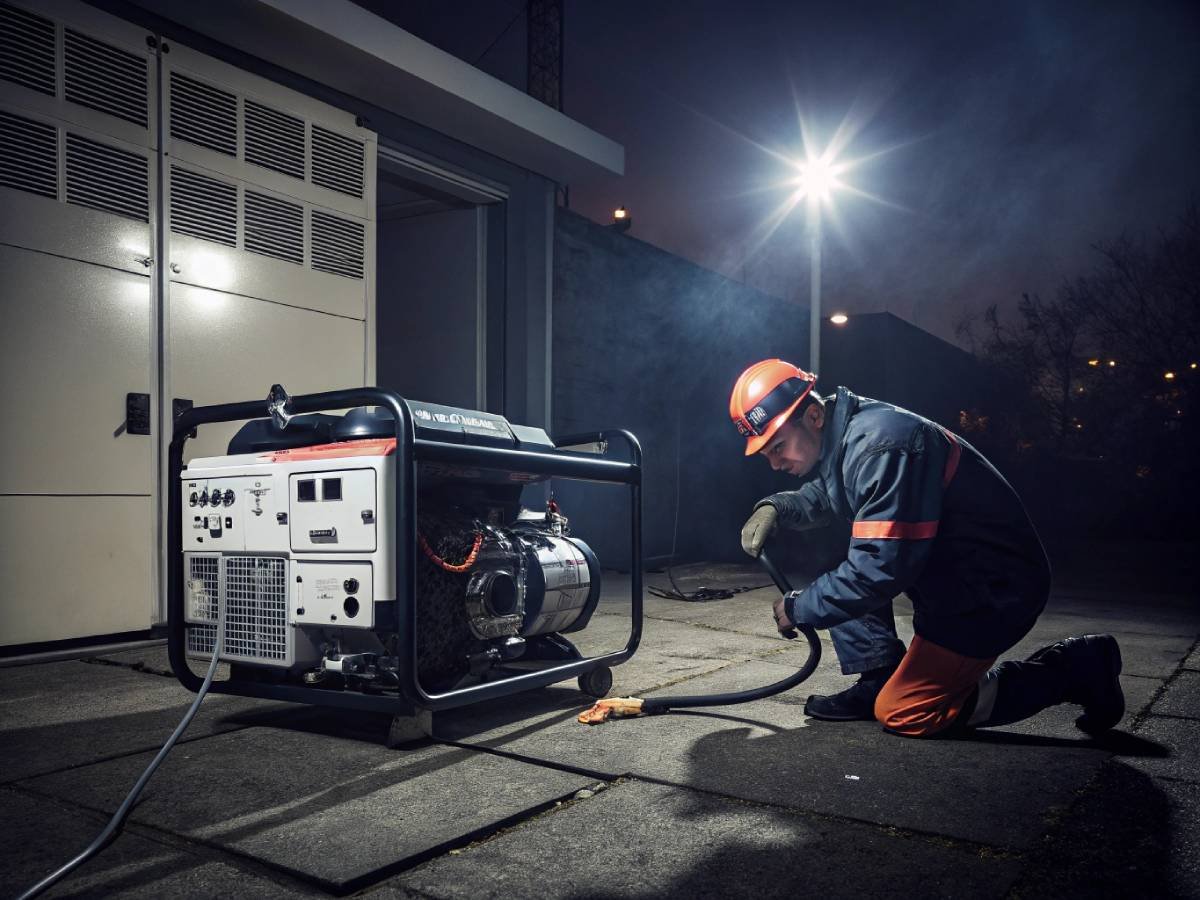
When the lights go out, your world shouldn't grind to a halt. Yet, for many, a power outage reveals the critical flaw in their backup plan: a generator that won't start. That's when the scramble for Emergency Generator Repair begins—a race against time to restore comfort, safety, and business continuity.
It's more than just an inconvenience; it can be a true emergency, impacting everything from perishable food to essential medical equipment or critical business operations. Knowing what to do, what to expect, and most importantly, how to prevent it from happening again, can make all the difference.
At a Glance: Getting Your Generator Back Online
- Act Quickly, But Safely: Immediately address a non-starting generator, but prioritize safety by ensuring it's off and secured before any troubleshooting.
- Understand Common Culprits: Most generator failures stem from preventable issues like battery problems, fuel contamination, or lack of routine maintenance.
- Don't DIY Complex Repairs: While basic checks are fine, leave intricate diagnostics and repairs to certified professionals to avoid further damage or injury.
- Expect Rapid Response: Emergency repair services are designed for speed, often aiming for on-site diagnosis within a few hours.
- Prevention is Paramount: Regular preventative maintenance is the single best way to avoid emergency breakdowns and ensure your generator is ready when you need it most.
- Choose Certified Experts: Opt for EGSA-certified technicians who possess the expertise to handle all major generator brands and models.
The Unseen Battle: Why Your Backup Power Fails When You Need It Most
A generator is a marvel of engineering, a silent guardian waiting to spring to life. But like any complex machinery, it's susceptible to failure, often at the most inconvenient times. Understanding the common causes isn't just academic; it's the first step in prevention and effective emergency response.
Battery Failure: The Silent Killer
This is, by far, the most frequent culprit behind a "dead" generator. Think about it: your generator's battery is always on standby, rarely used compared to a car battery, yet it needs to be ready to deliver a huge jolt of power on demand. Weak, corroded, or improperly maintained batteries often lose their charge, leaving your generator unable to crank the engine. It's a silent threat because the generator itself might be perfectly fine, but without a robust battery, it’s going nowhere.
Fuel Fiascos: Contamination & Stale Fuel
Generators run on either diesel or natural gas, and both have their vulnerabilities. Diesel fuel can degrade over time, especially when stored, leading to "fuel polishing" issues or the growth of algae and sediment. This contaminated fuel clogs filters, lines, and injectors, starving the engine. Natural gas systems can experience pressure issues or problems with gas line integrity. Ensuring clean, fresh fuel and clear lines is crucial for reliable operation.
Neglecting Maintenance: The Root Cause
Many emergency repairs are simply a consequence of delayed or absent preventative maintenance. Skipping routine services like oil changes, filter replacements, and system checks allows minor issues to fester. An old, clogged air filter, dirty oil, or a forgotten spark plug replacement can easily escalate into a full-blown emergency when the generator tries to perform under stress. It’s like never changing the oil in your car and then wondering why the engine seizes.
Overloading & Overheating: Pushing Limits
Generators have a rated capacity for a reason. Running your generator at or above its maximum capacity for extended periods puts immense strain on all components. This can lead to rapid wear, tripped circuit breakers, and, most critically, overheating. Overheating, often exacerbated by low coolant levels or a blocked radiator, can cause severe engine damage and an immediate shutdown. Always match your generator's capacity to your actual power needs, with a bit of buffer.
Electrical Gremlins & Environmental Assaults
From faulty wiring and loose connections to damaged electrical components, problems within the generator's electrical system can prevent it from starting or delivering power. These issues can be subtle, requiring a skilled hand to diagnose. Furthermore, generators exposed to harsh environmental factors—extreme temperatures, humidity, dust, or corrosive atmospheres—without adequate protection can suffer accelerated wear and unexpected failures. Proper installation, including ventilation and mounting, is key to mitigating these risks.
When Disaster Strikes: Understanding Emergency Repair Services
The moment your generator fails during an outage, panic can set in. But knowing what to expect from Emergency Generator Repair services can help you navigate the situation calmly and effectively. These services are specifically designed for rapid response to critical failures.
Speed is Everything: What "Emergency" Really Means
When you call for emergency service, you're not just requesting a repair; you're requesting immediacy. Technicians understand the urgency, especially during widespread power outages or extreme weather. They're typically dispatched quickly, often aiming to arrive on-site within a few hours, depending on your location and the current demand. This rapid deployment means they prioritize getting to you to diagnose and address the problem as fast as possible.
The On-Site Diagnosis: What Technicians Do
Upon arrival, certified technicians don't just guess. They come equipped with specialized diagnostic tools to pinpoint the exact issue. They'll perform a thorough visual inspection, test critical components, and use their expertise to determine why your generator isn't performing. This on-site diagnosis is crucial, as many problems can be fixed with common tools and parts they carry in their service vehicles. The goal is always to get your power back online immediately if possible.
Is It Worth the Emergency Fee?
Let's be upfront: emergency services often come with an additional fee. This is due to the rapid response, after-hours availability, and the specialized nature of the service. However, reputable companies will discuss any additional fees upfront, ensuring transparency. When you weigh this cost against the potential losses from prolonged downtime—spoiled food, lost business revenue, discomfort, or safety risks—the peace of mind and swift resolution provided by an emergency repair can be invaluable. It's an investment in getting your life or business back to normal, quickly.
Your First Steps During a Generator Emergency
Facing a generator failure can be stressful, but taking a few smart, safe steps can help prepare for the technician's arrival and potentially aid in a quicker resolution.
Safety First: Shutting Down and Securing the Area
Your absolute first priority must be safety. If your generator is attempting to start or running erratically, switch it off immediately. Locate the main disconnect switch or the generator's kill switch and ensure it's in the "off" position. If it's a portable generator, unplug all appliances and turn off the engine. Make sure the area around the generator is clear of any debris or obstructions, and if there's any fuel leak or unusual smell, keep everyone away and ensure ventilation. Never attempt to work on a live generator or one you suspect has electrical faults.
Gathering Information: What the Technician Needs to Know
When you call for service, and when the technician arrives, they'll appreciate any details you can provide. Think like a detective:
- What happened? Did it just not start? Did it make a strange noise then stop? Was there smoke or a distinct smell?
- When did it fail? Was it during a scheduled test, or suddenly during an outage?
- Any recent events? Has there been maintenance recently, a fuel refill, or any unusual weather?
- Model and Brand: Know your generator's make and model. This helps technicians anticipate potential issues and necessary parts.
- Error Codes: If your generator has a digital display, note any error codes or messages it's showing.
This information can significantly aid in diagnosis, saving precious time.
Don't DIY (Unless You're Certified): The Risks of Amateur Repairs
While it's tempting to try and fix it yourself, especially if you're handy, remember that generators involve high voltage electricity, combustible fuels, and heavy machinery. Attempting repairs without proper training, tools, or safety equipment can lead to serious injury, electrocution, fire, or even further damage to the generator. What might seem like a simple fix could be a symptom of a much larger, dangerous underlying problem. Unless you are an EGSA-certified technician, it's always best to leave complex diagnostics and repairs to the professionals. Their expertise ensures the repair is done safely and correctly, protecting both you and your investment.
Common Emergency Fixes & What They Mean
While every generator issue is unique, emergency technicians are often called to address a predictable set of problems that can usually be resolved quickly on-site. Knowing these common fixes can give you an idea of what might be happening with your unit.
Battery Replacements & Terminal Cleaning
As the most common failure point, battery issues are frequently addressed. This could involve jump-starting a low battery, cleaning corroded terminals to restore proper electrical contact, or, most often, replacing a dead or weak battery with a new one. Technicians will also check the charging system to ensure the new battery gets proper voltage.
Fuel System Purges & Filter Swaps
When fuel contamination or degradation is the issue, technicians may need to purge air from the fuel lines (especially after a fuel run-out), replace clogged fuel filters, or even treat the fuel itself to remove contaminants. For diesel generators, they might perform a "fuel polishing" if the tank's fuel quality is poor.
Coolant System Top-Ups & Leak Sealing
Overheating triggers often point to the coolant system. Technicians will check coolant levels, inspect hoses and connections for leaks, and assess the radiator for blockages. A simple top-up or the sealing of a minor leak can often resolve overheating issues quickly, preventing more severe engine damage.
Circuit Breaker Resets & Wiring Checks
Sometimes, an "emergency" is as simple as a tripped circuit breaker, either on the generator itself or within your transfer switch. Technicians will check these first. They will also meticulously inspect wiring connections, looking for loose terminals or damaged insulation that could prevent power from flowing or the generator from starting.
Beyond the Fix: Preventing Future Failures with Proactive Maintenance
An emergency repair gets your power back on, but it doesn't always guarantee it won't happen again. The real lesson from any generator failure is the indispensable value of preventative maintenance. This isn't an optional extra; it's the bedrock of reliability.
The Power of Proactive Care
Think of preventative maintenance as your generator's annual physical. It’s about catching small issues—a weakening battery, a partially clogged fuel filter, a minor coolant leak—before they escalate into a catastrophic failure during an actual power outage. This proactive approach significantly extends your generator's lifespan, protects your investment, and drastically reduces the likelihood of needing costly emergency repairs. It leads to less fuel consumption, fewer emissions, and most importantly, guarantees your generator is ready when duty calls.
Tailored Plans & Typical Services
Reputable service providers offer customized maintenance plans designed to fit your specific facility requirements, budget, and generator usage. Routine services typically include:
- Thorough Visual Inspections: A comprehensive check of all components for wear, damage, or potential issues.
- Regular Oil and Filter Changes: Replacing vital fluids and filters that degrade over time and use, keeping the engine clean and lubricated.
- Fuel System Maintenance: Ensuring fuel quality, checking lines for integrity, and replacing fuel filters to prevent contamination.
- Coolant System Servicing: Inspecting levels, checking for leaks, and ensuring the system is free of clogs to prevent overheating.
- Battery Testing, Cleaning, and Replacement: Verifying battery health, cleaning terminals, and replacing batteries before they fail.
- Load Bank Testing: Periodically running the generator at or near its full capacity to verify its output and prevent "wet stacking," a condition where unburnt fuel accumulates in the exhaust system.
The EGSA Advantage: Why Certification Matters
When choosing a technician for maintenance or emergency repair, always look for EGSA-certified professionals. EGSA (Electrical Generating Systems Association) certification signifies that a technician has met rigorous standards of knowledge and expertise in generator systems. These technicians are trained across all major brands and models, staying current with the latest technologies and best practices. Their certification provides peace of mind, assuring you that your generator is in the hands of a truly qualified expert, minimizing the risk of unexpected failures due to improper service.
Choosing the Right Emergency Repair Partner
When your power is out and your generator is down, you need a service provider you can trust. Not all generator repair services are created equal, especially in an emergency. Here's what to look for:
Availability: 24/7 is Non-Negotiable
Emergencies don't stick to business hours. A reliable emergency repair partner offers 24/7 support, ensuring someone is always available to take your call and dispatch a technician, regardless of the time or day. If a service only operates 9-5, they're not truly an emergency provider.
Expertise: All Brands, All Models
Generators come in countless brands and configurations. Your chosen provider should have technicians trained and experienced in repairing all major generator brands and models, whether residential or commercial, diesel or natural gas. This versatility means they can handle whatever you have without hesitation.
Transparency: Upfront Costs & Clear Communication
No one likes surprises, especially when dealing with an emergency. A trustworthy service will communicate clearly about their emergency fees, diagnosis process, and potential repair costs upfront. They should explain the problem in plain language and provide options where available.
Comprehensive Support: More Than Just a Fix
The best emergency repair partners offer more than just a quick fix. They provide comprehensive services that include:
- Evaluating your power needs.
- Seamless installation if you need a new unit.
- Routine maintenance plans to prevent future emergencies.
- Thorough inspections.
- And potentially remote monitoring services that can alert you to issues before they even cause a shutdown.
This holistic approach means they're not just a repair service; they're a complete power solution partner.
Frequently Asked Questions About Generator Repair
Got more questions about generator repairs and maintenance? Here are some quick answers to common concerns.
How quickly can a technician respond to an emergency?
Most emergency generator repair services aim for a rapid response, often within a few hours of your call, depending on your location and current demand during a widespread outage. They understand the urgency of getting your backup power restored.
Can I repair my generator myself?
While simple tasks like checking fuel levels or resetting a breaker might be within your grasp, most Emergency Generator Repair tasks involve complex electrical and mechanical systems. For safety and to prevent further damage, it's strongly recommended to leave repairs to EGSA-certified professionals.
What's the difference between emergency repair and routine maintenance?
Emergency repair addresses an unexpected, immediate failure, often outside of normal business hours, to restore function quickly. Routine maintenance is proactive, scheduled service designed to prevent failures, extend the generator's lifespan, and ensure peak performance over time.
Are emergency repairs covered by warranty?
It depends on the specific issue and your generator's warranty terms. Manufacturer warranties typically cover defects in parts or workmanship, but usually not issues arising from lack of maintenance, improper use, or fuel-related problems. Your service provider can help you understand if your repair might be eligible.
How can I find reliable generator repair services?
Look for companies with 24/7 availability, EGSA-certified technicians, transparent pricing, and a strong local reputation. Check online reviews, ask for referrals, and ensure they offer comprehensive services beyond just emergency repairs.
Your Power, Your Peace of Mind: A Last Word
When the grid goes down, your generator shouldn't be another source of stress. Investing in a dependable backup power system means investing in peace of mind. While emergency breakdowns can happen, understanding their common causes and knowing you have access to prompt, expert Emergency Generator Repair can alleviate much of the anxiety.
Ultimately, the best emergency repair is the one you never need. Prioritizing regular, professional preventative maintenance is the smartest investment you can make to ensure your generator is always ready, always reliable, and always able to keep your lights on when everyone else's go dark. Don't wait for the next outage to realize the value of proactive care. Plan now, stay prepared, and keep your power flowing.