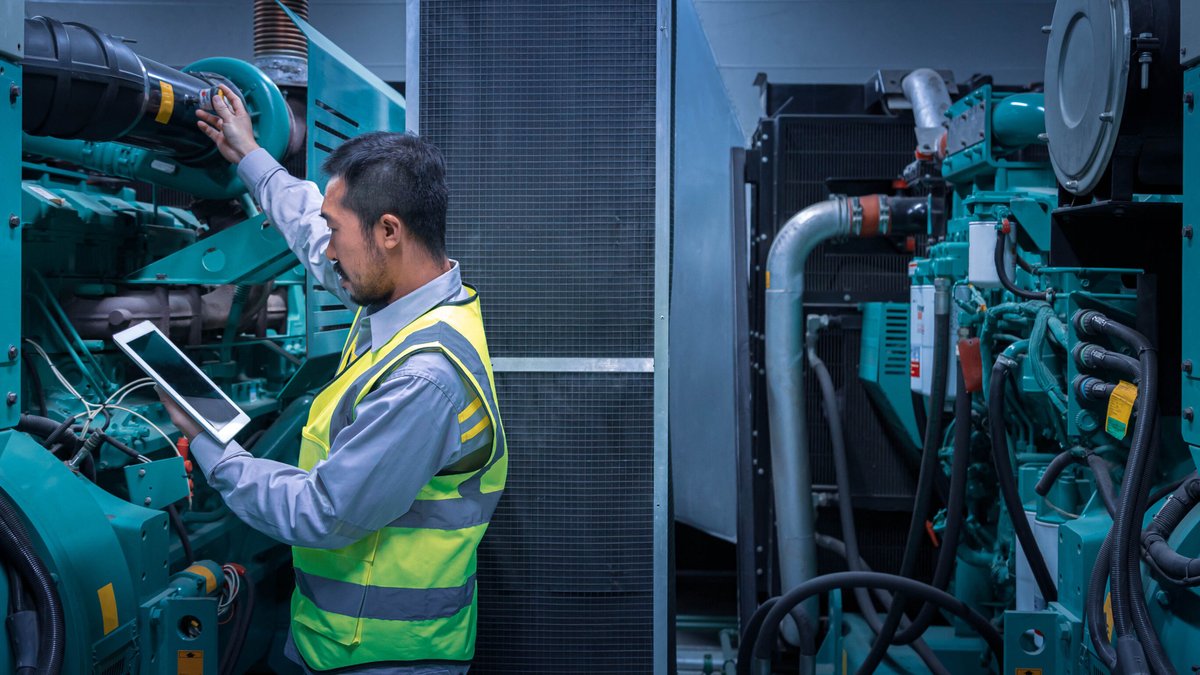
The lights flicker, then plunge your home or business into darkness. Silence falls, broken only by the distant wail of a siren. In that moment, a generator isn't just a convenience; it's a lifeline. But for that lifeline to kick in reliably, it needs more than just fuel in the tank and a prayer. It needs diligent, proactive attention – what we in the industry call Generator Preventative Maintenance Services. These aren't just an option; they're the non-negotiable insurance policy that ensures your critical power source is ready to roar to life the instant it's called upon.
Neglecting your generator's health is akin to waiting for your car to break down on the highway before thinking about an oil change. It's a gamble with high stakes: lost productivity, damaged equipment, spoiled goods, compromised safety, or simply the discomfort of an unexpected outage. This guide will walk you through the essential services that keep your generator in peak condition, providing you with unwavering peace of mind.
At a Glance: Why Preventative Maintenance Matters
- Reliability Guaranteed: Ensures your generator starts and runs efficiently when an outage strikes.
- Extended Lifespan: Proactive care prevents wear and tear, significantly prolonging your generator's life.
- Cost Savings: Catches small issues before they become expensive breakdowns and avoids emergency repair costs.
- Optimal Performance: Maintains fuel efficiency and power output, ensuring it meets your demands.
- Safety First: Prevents potential hazards like electrical faults or fuel leaks.
- Compliance: Helps meet warranty requirements and industry standards (e.g., NFPA guidelines).
The Hidden Cost of Neglect: Why Proactive Care Isn't Optional
Imagine investing in a generator, whether it's for your home's comfort during a storm or your business's continuity. It sits there, a silent sentinel, day after day. It’s easy to forget about it until that critical moment when you need it most. That's precisely when neglect turns costly. Dust accumulates, fluids degrade, connections loosen, and components subtly corrode. These aren't dramatic failures; they're insidious processes that chip away at reliability, leading to:
- Failure to Start: The most common and frustrating outcome.
- Reduced Efficiency: Higher fuel consumption for less power.
- Premature Wear: Leading to costly component replacements.
- Safety Hazards: From fuel leaks to electrical shorts.
- Invalidated Warranties: Manufacturers require documented maintenance.
Investing in Generator Preventative Maintenance Services isn't spending money; it's strategically saving it, safeguarding your initial investment, and protecting your peace of mind.
Understanding the Pillars of Generator Preventative Maintenance Services
Preventative maintenance isn't a single task but a comprehensive program involving various services, each designed to address specific aspects of your generator's health. Think of it as a layered defense system, ensuring every critical component is ready for action.
Let's break down the essential services you should know.
Regular Exercise: Keeping the Blood Flowing
Just like a car needs to be driven, a generator needs to be run. This critical service, often called "Generator Exercise," involves operating the unit, typically under no-load or partial-load, for a set period (20-30 minutes, weekly or monthly).
Why it matters:
- Fluid Circulation: Oil, coolant, and fuel are circulated, lubricating moving parts and preventing stagnation.
- Moisture Prevention: Running the engine heats it, evaporating moisture that can lead to corrosion in critical components.
- Battery Health: The generator's charging system kicks in, maintaining the battery's charge and ensuring it's ready to crank the engine.
- Early Detection: Personnel can monitor the generator during exercise for unusual noises, leaks, or performance anomalies, catching issues before they escalate.
- Emergency Readiness: Confirms the generator will start and run when truly needed.
This simple, regular exercise prevents the common "failure to start" scenario by keeping all systems primed and ready.
The Monthly/Annual Check-up: Minor Preventative Maintenance (Minor PM)
The Minor PM is your first line of defense, a regular, thorough inspection designed to catch small issues before they become big headaches. Depending on your generator's usage and environment, this can be performed monthly, quarterly, or annually.
What it involves:
- Fluid Level Checks: Verifying adequate levels of engine oil, coolant, and fuel.
- Visual Inspection: A close look at belts, hoses, and connections for signs of wear, cracks, or looseness.
- Leak Detection: Scrutinizing the generator for any oil, fuel, or coolant leaks.
- Corrosion Assessment: Checking battery terminals, electrical connections, and the generator's exterior for rust or corrosion.
- Battery Condition: Testing battery voltage and terminals to ensure starting power.
- Generator Exercise: As described above, often incorporated into the Minor PM.
The goal of a Minor PM is proactive identification. It's like your regular medical check-up, flagging potential problems early so they can be addressed efficiently and affordably.
The Annual Overhaul: Major Preventative Maintenance (Major PM)
Stepping up from the Minor PM, the Major PM is a more comprehensive service, typically performed at least annually or after a certain number of operating hours (e.g., 200-250 hours), as per manufacturer guidelines. This is where fluids are refreshed and critical filters are replaced.
Key tasks include:
- All Minor PM tasks: The Major PM incorporates all the checks from a Minor PM.
- Oil Change: Draining old engine oil and replacing it with fresh, specified lubricant.
- Filter Replacements: Swapping out old oil, fuel, and coolant filters. These filters are crucial for protecting the engine from contaminants.
- Coolant Check/Top-off: Ensuring the coolant system is properly filled and its quality is acceptable.
A Major PM ensures that the generator's vital systems are operating with clean, fresh components, significantly reducing the risk of internal damage and ensuring efficient, long-term performance.
Beyond the Basics: PM3 – The Deep Dive
When your generator needs a truly in-depth overhaul, you're looking at a PM3. This intensive service is typically recommended every 2-3 years, or based on specific operating hours and often dictated by manufacturer or NFPA (National Fire Protection Association) guidelines. It addresses components that experience wear and tear over longer periods, even if they aren't visually apparent during routine checks.
A PM3 often includes:
- Belts and Hoses Replacement: All engine belts (fan, alternator) and coolant hoses are replaced to prevent catastrophic failures due to degradation.
- Air Filter Replacement: A new air filter ensures optimal combustion and prevents dirt from entering the engine.
- Battery Replacement: Batteries have a finite lifespan, and a PM3 often includes replacing them to guarantee reliable starting power.
- Coolant Flush and Replacement: The entire cooling system is drained, flushed, and refilled with new coolant, often with specialized additives to prevent corrosion and maintain optimal temperature regulation.
- Spark Plug Check/Replacement: For gas generators, spark plugs are inspected and replaced as needed to ensure efficient ignition.
A PM3 is particularly critical for generators in demanding conditions or those operating as primary backup for essential services. It extends the generator's lifespan by proactively addressing wear and tear that could lead to unexpected and costly failures.
Proving Performance Under Pressure: Load Testing Your Generator
It's one thing for a generator to start; it's another for it to perform effectively under a real-world load. Load testing verifies your generator can truly deliver the power your facility needs when it counts. There are two primary types:
Building Load Testing
This involves running your generator using the actual electrical load of your building or facility. It's often performed semi-annually, sometimes combined with Major and Minor PMs, or after any significant changes to your electrical system.
Why it's crucial:
- Real-world Verification: Confirms the generator can seamlessly handle your facility's specific power demands without tripping breakers or failing under stress.
- Identifies Bottlenecks: Reveals if any part of your electrical distribution system (not just the generator) might struggle under load.
- Prevents Surprises: Ensures there are no unexpected issues when a real power outage occurs.
Load Bank Testing
An annual, controlled test where the generator is connected to a "load bank"—a device that provides an artificial electrical load. The generator is typically run at full-rated capacity for 2-4 hours.
Why it's invaluable, especially for standby generators:
- Full-Capacity Verification: Unlike building load testing, a load bank can consistently apply 100% of the generator's rated capacity, verifying its ability to handle maximum stress.
- Prevents "Wet Stacking": Standby generators, especially diesel units, that often run for short periods under light or no load can experience "wet stacking"—an accumulation of unburned fuel and soot in the exhaust system. Load bank testing burns off these deposits, preventing performance degradation and potential damage.
- Identifies Performance Issues: Reveals issues like low power output, voltage drops, or overheating that might not be apparent under lighter loads.
Load bank testing ensures your generator is not just functional, but truly capable of performing at its peak during an extended emergency.
The Unsung Hero: Automatic Transfer Switch (ATS) Maintenance
The generator gets all the glory, but the Automatic Transfer Switch (ATS) is the silent brain behind seamless power restoration. This critical component detects power outages, signals the generator to start, and then safely transfers your building's electrical load from the utility to the generator.
ATS maintenance, typically annual or per manufacturer specs, includes:
- Visual Inspection: Checking for signs of overheating, loose connections, or physical damage.
- Contact Cleaning and Inspection: Electrical contacts can accumulate dust and carbon, leading to resistance and arcing. Cleaning and inspecting these ensures proper conductivity.
- Operational Testing: Verifying the ATS correctly senses a power loss, commands the generator to start, transfers the load, and then transfers it back to utility power once restored.
- Response Time Check: Ensuring the ATS operates within acceptable timeframes.
- Settings Verification: Confirming all timer and voltage settings are correct.
Without a properly functioning ATS, your generator might start, but your building won't receive power reliably. Regular ATS maintenance is vital to avoid delays and ensure uninterrupted power flow.
Decoding Your Generator's Health: Fluid Analysis
Just as a blood test provides insights into human health, analyzing your generator's fluids offers crucial diagnostics about its internal condition.
Oil Sampling
Engine oil samples are analyzed for contaminants, wear metals, and engine health indicators. This is typically done annually with a Major PM or every 250-500 operating hours.
What it reveals:
- Early Wear Detection: The presence of specific metals (e.g., iron, copper, chromium) indicates wear on pistons, bearings, or cylinder liners, allowing for proactive intervention.
- Contamination: Detects fuel dilution, coolant leaks, or dirt ingress, which can all severely damage the engine.
- Oil Degradation: Assesses the oil's remaining additive package and viscosity, indicating if it's still providing adequate lubrication.
Oil sampling is an incredibly powerful predictive maintenance tool, helping prevent catastrophic engine failures and optimizing oil drain intervals, especially for generators with extended service schedules.
Coolant Sampling
Coolant is tested annually (with a Major PM, or more frequently in harsh conditions) to check its chemical balance, effectiveness, and for contaminants.
What it assesses:
- pH Levels: Ensures the coolant's acidity or alkalinity is within spec to prevent corrosion.
- Additive Levels: Verifies the presence of essential corrosion inhibitors and anti-foaming agents.
- Contaminant Detection: Identifies the presence of oil, fuel, or exhaust gases, indicating potential leaks or engine issues.
- Freeze Point: Confirms the coolant will protect against freezing in cold climates.
Proper coolant chemistry is essential for preventing overheating, cavitation, and corrosion within the engine's cooling system, all of which are critical for efficient generator operation.
Fuel Sampling (Diesel Generators Only)
Diesel fuel, especially when stored for long periods, is susceptible to degradation and contamination. Annual fuel sampling (often with a Major PM) is vital.
What it looks for:
- Water Content: Water can lead to rust, microbial growth, and damage to injectors.
- Microbial Growth: Diesel bug (bacteria, fungi, yeasts) can clog filters and fuel lines, causing engine failure.
- Sediment and Particulates: Impurities can clog fuel filters and injectors.
- Fuel Degradation: Checks for signs of oxidation or breakdown that reduce fuel quality.
Contaminated fuel is a leading cause of diesel generator failure. Regular sampling ensures your fuel is clean and ready to deliver peak performance.
Keeping Your Fuel Pristine: The Power of Fuel Polishing
Building on fuel sampling, "Fuel Polishing" is a proactive measure to ensure your stored diesel fuel remains in optimal condition. It's especially critical for generators that don't cycle through their fuel supply frequently.
What it is:
Fuel polishing is a process that removes water, sludge, and microbial contaminants from stored fuel through a multi-stage filtration and chemical treatment system. The fuel is continuously circulated through a series of filters that capture particulates and separate water.
Why it's essential:
- Prevents Contamination Issues: Directly combats the problems identified by fuel sampling, such as water buildup and microbial growth.
- Protects Fuel System: Prevents damage to fuel pumps and injectors from dirty fuel.
- Ensures Readiness: Guarantees that when the generator needs to run, it's receiving clean, high-quality fuel.
- Extends Fuel Lifespan: Can extend the usability of stored diesel fuel, reducing the need for costly fuel disposal and replacement.
Performed annually or as needed based on fuel sample results, fuel polishing is an indispensable service for maintaining the reliability of diesel generators.
Beyond the Checklist: Why Consistency and Expertise Matter
The sheer number of services and their recommended frequencies might seem daunting, but it underscores a fundamental truth: a generator is a complex piece of machinery. Its reliability isn't accidental; it's the direct result of consistent, expert care.
Manufacturer guidelines and industry standards like those from NFPA are not suggestions; they are blueprints for ensuring safe, reliable operation. Adhering to these schedules isn't just about avoiding breakdowns; it's often a requirement to maintain your warranty and, for commercial applications, meet critical safety and operational codes.
While some basic tasks can be performed by diligent owners, many of the services outlined above require specialized tools, training, and diagnostic expertise. Attempting complex repairs or detailed inspections without the right knowledge can void warranties or, worse, lead to dangerous malfunctions. For peace of mind and optimal performance, connecting with a professional for Professional generator repair and maintenance is often the wisest path.
Finding the Right Support for Your Generator's Health
Whether you're a homeowner with a standby unit or a business manager overseeing critical infrastructure, ensuring proper generator maintenance is paramount.
For those looking for a qualified professional, resources like the dealer locator tool on Generac.com can help you find local independent authorized service dealers who specialize in Generator Preventative Maintenance Services. These professionals are trained to understand the intricacies of various generator models and adhere to manufacturer-specific guidelines.
If you prefer to handle some standard maintenance tasks yourself (and your generator's manual supports it), your generator's user manual is your primary resource. This invaluable guide provides maintenance schedules and detailed instructions for self-service. If you're struggling to find your original manual, articles like "How Do I Find a Copy of My Home Standby Generator Owner's Manual, Spec Sheets, or Installation Manual?" or "I Can’t Find My Original Owner’s Manual for My Portable Generator, How Can I Get Another Copy?" can point you in the right direction. Further detailed maintenance task specifics are also often available in comprehensive knowledge bases, typically starting with a general "How Do I Maintain My Generator?" article.
Remember, a combination of diligent self-care for simpler tasks and professional expertise for complex services often provides the best approach to long-term generator health.
Making Preventative Maintenance a Priority: Your Next Steps
Your generator is an investment in security, comfort, and continuity. Like any critical asset, it demands respect and regular attention. Generator Preventative Maintenance Services are not an expense; they are an essential strategy for risk mitigation and long-term savings.
Here’s how you can make preventative maintenance a non-negotiable part of your generator ownership:
- Consult Your Manual: Understand your specific generator's recommended maintenance schedule and service intervals. This is your bible.
- Create a Schedule: Mark your calendar for exercise runs, minor checks, and major service appointments. Consistency is key.
- Identify Your Resources: Decide which tasks you can safely and competently perform yourself, and which require a certified technician.
- Find a Trusted Partner: Research and establish a relationship with a reputable generator service company or authorized dealer in your area.
- Document Everything: Keep a log of all maintenance performed, including dates, tasks, and any issues found. This record is invaluable for troubleshooting, warranty claims, and tracking your generator’s health history.
Don't wait for the lights to go out to discover your generator isn't ready. Take proactive steps today to ensure your reliable power source remains just that: reliable.