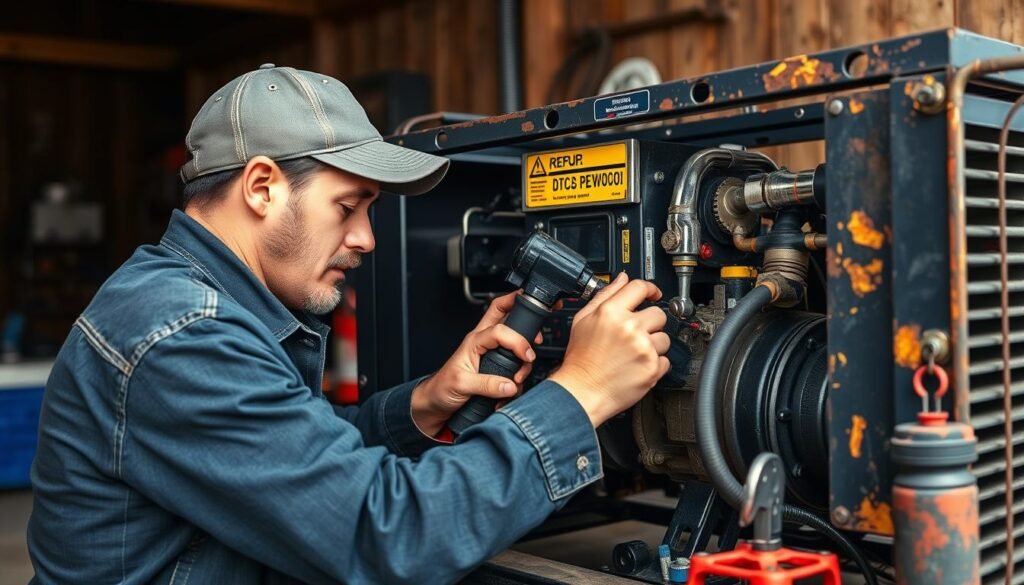
Dealing with a faulty generator can feel like a punch to the gut, especially when you're relying on it for crucial backup power. What's even worse is the uncertainty of how much it will cost to fix. This Generator Repair Cost Guide aims to pull back the curtain on those expenses, offering clear, trustworthy insights so you can make informed decisions without feeling like you're fumbling in the dark. We'll break down everything from minor adjustments to major overhauls, helping you understand the real costs behind keeping your essential power source running smoothly.
At a Glance: What to Expect for Generator Repairs
- Overall Repair Range: Most generator fixes run from $50 for simple adjustments to $2,500+ for complex major malfunctions.
- Minimum Service Call Fee: Many technicians charge a base fee of $150 to $300+ just to come out and diagnose the issue.
- Annual Maintenance: Budget $200 to $650 per year for professional maintenance plans, which can prevent bigger repair bills.
- Typical Repair Time: Expect most repairs to take 1 to 5 hours, though specialty parts can cause delays.
- Key Cost Drivers: The type of problem, your generator's model, and local labor rates are the biggest factors influencing your final bill.
Decoding the Dollar Signs: Your Generator Repair Budget
When your generator sputters or refuses to start, the first thing on your mind (after the dread of losing power) is likely, "How much is this going to set me back?" The truth is, generator repair costs aren't one-size-fits-all. They're a mosaic of parts, labor, and the specific quirks of your machine. Minor fixes, like replacing a spark plug or a fuel filter, might only cost you $50 to $100 if you're handy. But for more significant issues, where professional expertise and specialized components are needed, you could be looking at costs stretching into the thousands.
This wide range reflects everything from troubleshooting a loose wire to replacing an entire engine. It's not just about the broken part; it's about the time it takes to diagnose, the cost of the replacement component, and the technician's hourly rate. Knowing these variables upfront empowers you to budget more accurately and avoid sticker shock.
The Inescapable Minimum: Service Call Fees
Before any wrench even turns, many generator repair technicians charge a minimum service call fee. This covers their travel, initial diagnostic time, and operational overhead. You'll typically see these fees range from $150 to $300 or even more, depending on your location and the technician's expertise. It's a standard practice, so always factor this into your potential expenses, even for what seems like a simple problem. Sometimes, the diagnosis itself is half the battle, making this fee a worthwhile investment in understanding the scope of the repair.
Pinpointing the Problem: Component-Specific Repair Costs
The heart of your generator's repair bill often lies in which specific component has failed. Some parts are relatively inexpensive to fix or replace, while others require significant investment. Here’s a breakdown of common generator parts and their associated repair or replacement costs.
Stator and Rotor: The Electric Heartbeat
Cost: $250 – $2,500+
These components are absolutely crucial, working together to generate the electric current your home or business relies on. Problems with the stator or rotor can manifest as no power output or inconsistent voltage. The wide cost range here reflects whether the issue requires a simple repair, a more intensive rewinding of the coils, or a complete replacement of the component. The size and brand of your generator will also heavily influence the cost, with larger, more powerful units naturally demanding higher prices for these core parts.
Carburetor: Fueling the Fire
Cost: $100 – $500
The carburetor mixes air and fuel, a vital step for combustion. Minor issues, such as a clogged jet or a worn gasket, can often be fixed for as little as $50. However, if the carburetor is extensively damaged or corroded, a full replacement will push costs toward the higher end of the spectrum. Labor costs can also vary significantly based on how accessible the carburetor is within your generator's housing. Regular maintenance, including using fuel stabilizers, can often prevent costly carburetor issues.
Engine: The Powerhouse
Cost: $150 – $2,000+
The engine is the true workhorse of your generator. Naturally, issues here can range dramatically in complexity and cost. Minor fixes, like replacing a spark plug or adjusting valve clearances, fall on the lower end of the scale. However, major engine damage—such as a seized piston, a cracked block, or issues requiring a complete engine overhaul—can quickly escalate to thousands of dollars. Prolonged use without proper maintenance is a common culprit for expensive engine problems, highlighting why preventive care is so critical.
Voltage Regulator: Keeping Things Steady
Cost: $100 – $800 to replace
The voltage regulator is a small but mighty component that stabilizes the electrical output from your generator. Without it, you could experience inconsistent power that damages connected appliances. If your lights are flickering, or your electronics are behaving erratically when running on generator power, a faulty voltage regulator is a likely suspect. Replacement is typically the solution for this part, rather than repair, given its integrated electronic nature. The cost depends on the generator's size and the specific regulator model needed.
Transfer Switch: The Seamless Link
Repair Cost: $50 - $400 | Replacement Cost: $400 - $2,500+
For standby generators, the transfer switch is what safely and automatically moves your home's electrical load from utility power to generator power during an outage. Manual transfer switch repairs tend to be quicker and less expensive. However, replacing an automatic transfer switch (ATS) is a more involved process. It requires a few hours of work by a licensed electrician, impacting both labor costs and the price of the unit itself. The complexity and capacity of the transfer switch will dictate the final bill. When seeking a qualified technician, it's a good idea to ensure they are experienced with these critical components, as proper installation and function are paramount to your home's safety and power continuity. Sometimes, troubleshooting an existing system or upgrading for better performance might involve a comprehensive assessment by Professional Generator Repair Services.
Beyond Breakdowns: Annual Generator Maintenance Costs
Preventive maintenance is the unsung hero of generator ownership. Regular servicing not only catches small issues before they become catastrophic and expensive repairs but also ensures your generator is always ready to perform when you need it most. Investing in an annual maintenance plan is often far more cost-effective than waiting for a complete breakdown.
Here’s a look at typical annual maintenance costs, broken down by generator type:
| Generator Type | Annual Maintenance Cost (Approx.) | Key Considerations |
|---|---|---|
| Whole House Generators | $200 - $650 per year | Comprehensive checks, tune-ups, and diagnostics are standard. Essential for ensuring seamless automatic backup power. |
| Portable Generators (7-10 kW) | $50 - $150 per year | Least expensive. Many owners can manage basic tasks (fuel checks, air filter cleaning). Professional service typically involves more thorough inspections and fluid changes. |
| Propane Generators | $200 - $600 per year | Generally require less frequent repairs than gasoline units. Parts, when needed, can be more costly. Fuel system issues are rare but require specialized attention. |
| Natural Gas Generators | $200 - $650 per year | Similar to propane, repairs are less common. Higher upfront installation costs. Regular checks of the gas line integrity are a critical part of maintenance. |
| Gas or Diesel Generators | $200 - $1,000 per year | Often require more frequent servicing due to fuel degradation, which can lead to system clogs. Regular oil changes and leak prevention are crucial. Diesel filters and fuel quality are key maintenance points. |
| Engine-driven Generators (30-45 kW) | $350 - $600 per year | These larger standby systems demand professional diagnostics, thorough part checks, and precise tune-ups to maintain efficiency and reliability. |
| Annual maintenance contracts offer significant peace of mind. They typically include scheduled inspections, fluid changes, and system diagnostics, often at a reduced rate compared to ad-hoc service calls. These plans can truly save you money in the long run by extending your generator's lifespan and preventing unexpected, costly emergency repairs. |
Why Costs Can Swing Wildly: Factors Affecting Your Bill
You've seen the wide ranges in repair and maintenance costs, and you're probably wondering why. Several factors contribute to these fluctuations, making each generator repair scenario unique. Understanding these can help you anticipate expenses and ask the right questions.
- Labor Rates: This is a big one. Labor costs vary significantly by geographic location, the technician's experience level, and whether they're a sole proprietor or part of a larger company. Highly specialized work, like that performed by a certified service provider for complex standby systems, commands higher rates.
- Frequency of Use: It's a double-edged sword. More frequent use leads to greater wear and tear, increasing the likelihood of parts needing replacement. Conversely, no use can be just as detrimental, leading to issues like battery failure, dried seals, or corrosion from prolonged inactivity. Regular exercise runs are key to mitigating this.
- Component Accessibility: If a faulty part is buried deep within the generator's housing, requiring extensive disassembly, labor hours (and thus costs) will naturally go up. Easy-to-reach components are always quicker and cheaper to service.
- Age and Condition of the Generator: Older units, especially those that haven't received consistent maintenance, are significantly more prone to substantial repair expenses. Parts may be harder to source, and the cumulative effects of wear can lead to multiple issues surfacing simultaneously.
- Parts and Availability: Hard-to-source, proprietary, or specialty parts can significantly increase prices and may cause frustrating delays. Generic alternatives might be cheaper but could compromise performance or warranty.
- Warranty Status: Your generator's warranty rarely covers routine maintenance, but it can be a lifesaver for major component replacements within the warranty period. Always check your documentation before approving expensive repairs.
- Generator Size and Power Output: Generally, larger generators with higher power outputs use more robust, more expensive components. This translates directly into higher repair costs when those parts need attention.
- Repair Complexity and Scope: A simple spark plug swap is quick. A complete engine rebuild or replacing multiple interconnected components requires extensive labor and specialized skills, pushing costs significantly higher.
Is It Time for a New Generator?
Sometimes, the repair bill for an old, failing generator approaches or even exceeds the cost of a new unit. If you're facing a major repair on an aging generator, it's worth considering the alternative.
- New Portable Generators: Can range from $900 to $3,800 (potentially more with professional installation).
- New Whole-House Generators: Typically cost $6,000 to $11,000 for the unit and installation, a significant investment but one that offers unparalleled peace of mind.
Evaluate the remaining lifespan of your current unit, the frequency of past repairs, and the cost of the proposed fix against the benefits and reliability of a new generator.
Getting Your Generator Fixed: Insights & Best Practices
Understanding the potential costs is just one part of the equation. Knowing what to expect during the repair process, who to call, and how to maintain your unit effectively will empower you further.
How Long Do Generator Repairs Take?
Most common generator repairs can be completed within 1 to 5 hours once the technician is on-site and has the necessary parts. Quick fixes like replacing a spark plug or cleaning a carburetor might take under an hour. However, major component replacements—such as a stator, engine, or transfer switch—can easily consume most of a working day. Be aware that if specialty parts need to be ordered, this can introduce delays beyond the actual repair time.
Who Should You Call for Generator Repair?
For all but the simplest maintenance tasks you're comfortable performing yourself, always consult qualified professionals. This typically means:
- Qualified Generator Repair Technicians: These individuals specialize in generator diagnostics and repair, often factory-trained for specific brands.
- Licensed Electricians: For issues related to the electrical output, wiring, or especially the transfer switch, a licensed electrician is essential to ensure safety and code compliance.
- Certified Service Providers: For complex standby systems, particularly larger whole-house units, it's highly recommended to use a certified service provider specific to your generator brand. They have the specialized tools, training, and knowledge for comprehensive diagnostics and authorized warranty work.
What Exactly Does "Maintenance" Entail?
Generator maintenance isn't just about changing the oil. It's a holistic approach involving scheduled inspections, tune-ups, and timely part replacements designed to:
- Ensure optimal efficiency.
- Reduce the likelihood of unexpected repairs.
- Maximize the generator's lifespan.
- Guarantee reliable operation during outages.
It’s an investment in your generator’s longevity and your peace of mind.
Your Routine Maintenance Checklist
While annual professional servicing is paramount, there are a few routine steps you can (and should) take between visits to keep your generator in top shape:
- Change Oil and Filter: Just like your car, regular oil changes are crucial for engine health.
- Replace Spark Plugs: Ensures efficient combustion and easier starting.
- Clean or Swap Air Filter: A clean air filter is vital for proper air intake and engine performance.
- Check Battery: Ensure terminals are clean and the battery holds a charge, especially for automatic standby units.
- Run a Load Test: Periodically connect some appliances to ensure the generator can handle a load and deliver stable power.
- Examine Gas Line for Leaks: For propane or natural gas units, safety first! Check for any signs of leaks.
- Inspect and Clean Parts: Look for signs of wear, corrosion, or debris on components like the voltage regulator and air cooler fins.
The Power of a Regular Exercise Run
Experts aren't just making recommendations for fun; running your generator for 20 to 30 minutes monthly (or per the manufacturer's interval) is incredibly important. This "exercise run" serves several critical purposes:
- Circulates Fluids: Keeps oil and fuel from becoming stagnant, lubricating internal parts.
- Lubricates Seals: Prevents seals from drying out and cracking.
- Burns Off Old Fuel: Especially important for gasoline generators to prevent stale fuel issues.
- Identifies Issues Early: If something isn't right, you'll discover it during a planned test, not during an emergency.
This simple habit can prevent many common and costly generator problems.
Smart Hiring and Planning for Generator Services
When it's time for a repair or maintenance, you want to ensure you're getting quality service at a fair price. Here's how to approach the hiring process strategically:
When Hiring a Generator Technician: Your Action Plan
- Compare Estimates: Don't settle for the first quote. Get detailed estimates from at least two to three different technicians. This helps you understand market rates and identify potential overcharges.
- Request a Detailed Breakdown: Insist on a written estimate that clearly itemizes labor hours, parts costs, and any additional fees. Transparency is key.
- Review Customer Feedback: Check online reviews and testimonials. What do other customers say about their professionalism, reliability, and quality of work?
- Ask About Hidden Fees: Inquire specifically about minimum service charges, travel fees, diagnostic fees, and any expedited shipping costs for parts. Better to know upfront than be surprised later.
Essential Questions to Ask Your Generator Technician
Before any work begins, engage your technician with these crucial questions. Their answers will help you gauge their expertise and ensure you're making a good choice:
- "Are you licensed and experienced with my specific generator model and fuel type?" (Crucial for proper, safe service.)
- "Do you provide a written estimate before any work begins?" (Ensures cost clarity and avoids surprises.)
- "How do you handle emergency or after-hours calls?" (Important for critical backup systems.)
- "Are parts and labor included in your maintenance packages, or are they separate?" (Clarifies ongoing costs for service contracts.)
- "Can you provide references or show me where to find recent customer reviews?" (Verifies their reputation.)
- "Are replacement parts covered by a warranty, and will they be new OEM (Original Equipment Manufacturer) parts?" (Ensures quality and future protection.)
- "What is the typical turnaround time for major repairs, especially if parts need to be ordered?" (Helps you plan for potential downtime.)
- "Do you offer service contracts or annual maintenance plans, and what do they include?" (Consider for long-term savings and peace of mind.)
- "Will I receive a signed service checklist or a detailed invoice outlining all work performed?" (Important for record-keeping and warranty claims.)
- "How will you help ensure my manufacturer's warranty coverage is maintained through your service?" (Ensures you don't accidentally void your warranty.)
Your Path to Reliable Power
Navigating generator repair and maintenance costs doesn't have to be a bewildering experience. With this comprehensive guide, you now have the knowledge to understand typical expenses, anticipate potential issues, and make informed decisions when hiring a professional. Remember, proactive maintenance is your best defense against costly breakdowns, and a little preparation goes a long way in ensuring your generator is ready to deliver power when you need it most. By being informed and asking the right questions, you're not just fixing a machine; you're securing your peace of mind.