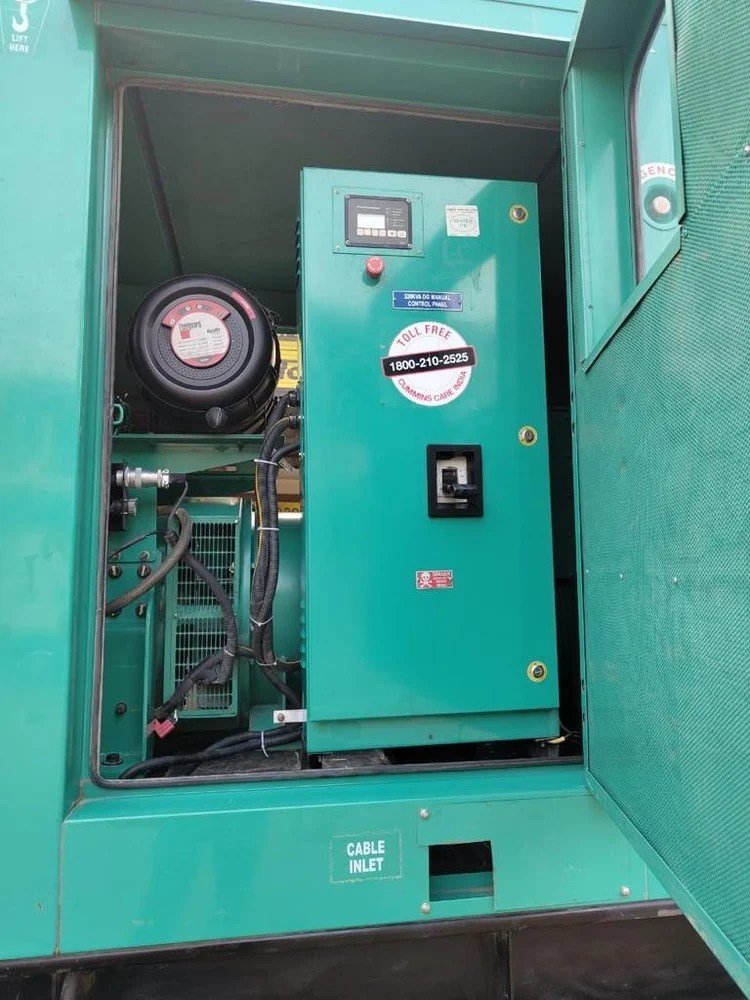
Imagine the lights flickering, then plunging your home into darkness. The wind howls, and outside, the world has gone silent. But wait – your trusty home generator should kick in, right? If it doesn't, you're not just without power; you're facing a problem that requires understanding the various types of generator repair services available. From a simple battery swap to complex engine overhauls, knowing what could be wrong with your generator empowers you to act quickly and correctly.
Understanding the common issues your generator might face isn't about becoming a mechanic; it's about being an informed homeowner. When your backup power falters, you need to recognize the symptoms, appreciate the underlying problems, and know when it’s time to call in the professionals. Let's demystify generator repair, so you're never left in the dark about what's going on with your home's most vital appliance during an outage.
At a Glance: Generator Repair Essentials
- Common Issues: Batteries, fuel systems, engines, electrical components, cooling systems, exhaust, and automatic transfer switches are the usual suspects.
- Why Professional Help? Generators are complex machines; DIY repairs can be dangerous and void warranties. Experts ensure safety, correct diagnosis, and lasting fixes.
- Prevention is Key: Regular maintenance significantly reduces the need for emergency repairs.
- Know the Signs: Pay attention to unusual noises, difficulty starting, inconsistent power, or error codes.
- Speed Matters: Addressing issues promptly prevents minor problems from escalating into costly breakdowns.
Why Your Generator Is More Than Just a Box Outside Your Home
Your home generator isn't just a convenience; it's a critical piece of infrastructure, a guardian against modern life's inconveniences. It protects your family from extreme temperatures, keeps your food from spoiling, and ensures essential medical equipment remains powered. When it fails, the stakes are high. That's why having a solid grasp of what could go wrong, and what it takes to fix it, is invaluable.
Think of your generator like a finely tuned vehicle. Just as a car needs different kinds of maintenance and repair—from tire rotations to engine work—your generator has various systems that can develop specific faults. Recognizing the [common signs your generator needs repair](placeholder_link slug="signs-your-generator-needs-repair" text="common signs your generator needs repair") is the first step toward getting it back in working order. Ignoring these signs can lead to more severe damage, putting your home and family at risk during the next power outage.
The Core Breakdown: Types of Generator Repair Services You Might Need
Generators are marvels of engineering, combining mechanical, electrical, and fuel systems. When one component misbehaves, it can affect the entire unit. Let's dive into the distinct types of generator repair services you might encounter.
Battery Woes: The Silent Killer of Starts
One of the most frequent reasons a generator fails to start isn't a complex issue, but a simple one: a dead or dying battery. Just like your car, your generator relies on a robust battery to crank the engine and get the system going.
- The Problem: Over time, batteries lose their charge capacity, especially if the generator sits idle for long periods or the charging system isn't functioning correctly. Corrosion on terminals can also prevent proper power flow.
- Symptoms: Your generator may refuse to start, crank slowly, or make a clicking sound without turning over.
- The Repair: This usually involves testing the battery's voltage and charge. If it's too low, a simple recharge might suffice. More often, the solution is a battery replacement. Technicians also check the charging system (alternator, voltage regulator) to ensure the new battery stays charged. It's a relatively straightforward fix, but crucial for reliable starts.
Fuel System Follies: Keeping Your Generator Running Smoothly
Fuel is the lifeblood of your generator's engine. Any disruption in its journey from the tank to the combustion chamber can bring your generator to a grinding halt.
- The Problem: Common fuel system issues include clogged fuel filters, contaminated fuel (water or debris), fuel line leaks, or stale fuel that has degraded over time. These can restrict fuel flow, leading to performance issues or complete failure to start.
- Symptoms: The generator might start then stall, run roughly, surge, or fail to start altogether. You might also notice fuel smells or visible leaks.
- The Repair: A technician will typically inspect the entire fuel system, from the tank to the carburetor/injectors. This includes draining contaminated fuel, cleaning or replacing clogged fuel filters, inspecting fuel lines for leaks, and ensuring proper fuel pressure. Addressing these issues can involve precise adjustments and component replacements to ensure a clean and consistent fuel supply.
Engine & Carburetor Challenges: The Heart of the Matter
The engine is the powerhouse of your generator, and the carburetor (in gasoline models) or fuel injectors (in diesel/propane models) is its intricate control center for fuel-air mixture. Issues here often manifest as significant operational problems.
- The Problem: For carburetors, fuel deposits (especially from ethanol in gasoline) can clog tiny jets, leading to improper fuel-air mixtures. Engine components like spark plugs, pistons, valves, or cylinders can wear out or become damaged. Over time, parts can seize, seals can fail, or compression can be lost.
- Symptoms: Difficulty starting, rough idling, excessive smoke, loss of power, unusual knocking or grinding noises, or the engine simply failing to turn over.
- The Repair: Carburetor cleaning or replacement is common for fuel-related engine issues. For more severe engine problems, repairs can range from spark plug replacement and valve adjustments to more extensive work like piston ring replacement, cylinder honing, or even a full engine overhaul. These are complex, labor-intensive repairs that require specialized tools and expertise to ensure proper sealing and timing.
Electrical Conundrums: Powering Up Safely
Beyond the engine, your generator is an electrical powerhouse. Problems with its electrical components can prevent it from producing power, or worse, deliver unstable or unsafe power to your home.
- The Problem: This category includes issues with the alternator (the part that generates electricity), voltage regulators (which ensure stable power output), control boards, or damaged wiring. A faulty transfer switch can also be considered an electrical issue, but we'll cover that separately.
- Symptoms: No power output, inconsistent voltage (lights flickering, sensitive electronics tripping), the generator runs but doesn't transfer power, or error codes related to electrical faults.
- The Repair: Electrical repairs often require diagnostic tools to trace the fault. This might involve replacing a faulty voltage regulator, repairing damaged wiring, testing and replacing circuit breakers, or troubleshooting and replacing the main control board (the "brain" of your generator). Given the high voltages involved, this is definitively a job for a certified generator technician.
Cooling System Catastrophes: Preventing Overheat
Generators, especially those running for extended periods, generate a significant amount of heat. A properly functioning cooling system is vital to prevent overheating, which can lead to severe engine damage.
- The Problem: Low coolant levels, leaks in the radiator or hoses, a malfunctioning cooling fan, or a faulty thermostat can all compromise the cooling system's ability to dissipate heat.
- Symptoms: The generator shuts down abruptly, temperature warning lights illuminate, or you notice coolant leaks under the unit.
- The Repair: A technician will check coolant levels, inspect hoses and connections for leaks, and test the radiator and cooling fan's functionality. Repairs might include topping off coolant, patching or replacing hoses, flushing the cooling system, or replacing the cooling fan or thermostat. Ensuring your generator doesn't overheat is paramount for its longevity and performance.
Exhaust System Snags: Breathing Easy
The exhaust system is often overlooked, but it plays a crucial role in safely venting harmful gases and maintaining engine efficiency.
- The Problem: Leaks, blockages (e.g., from soot buildup or foreign objects), or physical damage to the muffler or exhaust pipes can affect engine performance and create safety hazards. A clogged exhaust can cause backpressure, reducing efficiency.
- Symptoms: Excessive noise, visible smoke/fumes escaping from unusual spots, reduced engine power, or the generator shutting down due to sensor readings (e.g., carbon monoxide).
- The Repair: Technicians will inspect the entire exhaust system for leaks, cracks, or blockages. Repairs can involve cleaning out soot and debris, welding small cracks, or replacing damaged muffler sections or pipes. A healthy exhaust system is critical for both the generator's performance and the safety of your home, ensuring harmful gases are properly directed away.
Automatic Transfer Switch (ATS) Troubles: Seamless Power Shifts
For whole-home standby generators, the Automatic Transfer Switch (ATS) is the unsung hero, detecting power outages and seamlessly switching your home's power source from the utility grid to your generator. When it fails, your generator might start, but your home remains dark. To learn more, check out [understanding how Automatic Transfer Switches work](placeholder_link slug="understanding-automatic-transfer-switches" text="understanding how Automatic Transfer Switches work").
- The Problem: ATS failure can stem from electrical component issues within the switch, damaged wiring, or issues with its communication with the generator's control panel. It's essentially a sophisticated relay that can fail to engage or disengage correctly.
- Symptoms: The generator starts during an outage but doesn't transfer power to the house, or it transfers power but doesn't switch back to utility power when it's restored. You might also see error codes related to the transfer switch.
- The Repair: ATS repairs are highly specialized electrical tasks. They involve diagnosing the specific electrical fault within the switch, which could be a faulty solenoid, control board, or relay. Technicians ensure proper wiring, calibration, and communication between the ATS and the generator's control system. This is a critical repair for standby generators, ensuring they fulfill their primary purpose: automatic, uninterrupted power.
When to Call a Pro: The DIY vs. Expert Debate
It's tempting to try to fix things yourself, especially when you're handy. However, when it comes to generator repairs, DIY can be a costly, dangerous, and even life-threatening mistake.
- Safety First: Generators involve high voltage electricity, rapidly moving mechanical parts, and flammable fuels. Mistakes can lead to electrocution, severe burns, fire, or carbon monoxide poisoning. Professionals are trained in safety protocols and have the right personal protective equipment.
- Expertise and Diagnosis: Modern generators are complex, with sophisticated diagnostic systems. Without specialized tools and training, correctly identifying the root cause of a problem is incredibly difficult. A professional can quickly and accurately diagnose the issue, preventing misdiagnosis that could lead to further damage or unnecessary repairs.
- Warranty Protection: Many generator warranties are voided if unauthorized personnel perform repairs. Using a certified technician ensures your warranty remains intact.
- Quality Assurance: Professional repair services use genuine manufacturer parts and adhere to industry best practices, ensuring the repair is robust and lasts. They stand by their work.
For these reasons, it's almost always recommended to contact a qualified generator repair service for any issue beyond basic troubleshooting (like checking fuel levels or resetting a simple breaker). For a deeper dive into all service offerings, explore [comprehensive generator repair services](placeholder_link slug="generator-repair-services" text="comprehensive generator repair services").
Proactive Measures: Minimizing the Need for Repairs
The best repair is the one you never need. Routine maintenance is the single most effective way to prevent costly breakdowns and extend the life of your generator.
- Follow the Manual: Your generator's owner's manual provides a specific maintenance schedule. Stick to it.
- Regular Inspections: Visually inspect your generator regularly. Look for leaks, loose wires, unusual wear, or rodent nests.
- Exercise Your Generator: Run your generator regularly (e.g., once a month for 15-30 minutes under load). This keeps fluids circulating, lubricates components, and ensures it's ready when needed.
- Fluid Checks: Monitor oil, coolant, and fuel levels. Change oil and filters as recommended.
- Battery Maintenance: Keep battery terminals clean and free of corrosion. Test battery voltage periodically.
- Professional Servicing: Schedule annual or bi-annual professional maintenance. A technician can spot potential problems before they become major issues. This is where [routine generator maintenance tips](placeholder_link slug="generator-maintenance-tips" text="routine generator maintenance tips") truly pay off.
Choosing the Right Repair Service: What to Look For
When your generator goes down, you want reliable, efficient service. Not all repair companies are created equal. Here's what to consider:
- Certifications and Training: Ensure technicians are factory-trained and certified for your specific generator brand.
- Experience: Look for companies with a long track record and positive customer reviews.
- Response Time: How quickly can they dispatch a technician, especially during an emergency?
- Diagnostic Tools: Do they use modern diagnostic equipment?
- Parts Availability: Do they have access to genuine manufacturer parts?
- Warranty on Repairs: A reputable company will offer a warranty on their parts and labor.
- Transparent Pricing: Get a clear estimate before any work begins.
- Customer Service: Are they communicative and professional?
For more detailed guidance, consider reading [how to choose a generator repair technician](placeholder_link slug="choosing-a-generator-repair-technician" text="how to choose a generator repair technician"). A little research upfront can save you a lot of headache and expense later.
Common Questions About Generator Repair
Can I repair my generator myself?
For anything beyond very basic troubleshooting (like checking fuel or oil levels), it's strongly recommended to hire a professional. Generators involve complex electrical, fuel, and mechanical systems, and DIY repairs can be dangerous and void your warranty.
How often should my generator be serviced?
Most manufacturers recommend annual professional servicing. If your generator runs frequently or for extended periods, it might need more frequent checks. Regular exercise (running it monthly) is also crucial.
What's the most common reason a generator fails to start?
Often, it's a dead or weak battery. Just like a car, if the battery can't provide enough juice to crank the engine, the generator won't start. Fuel system issues (like stale fuel or clogged filters) are also very common.
How much do generator repairs cost?
Repair costs vary widely depending on the type of repair, parts needed, and labor rates in your area. Simple fixes like battery replacement might be a few hundred dollars, while complex engine overhauls or ATS replacements can run into thousands. Regular maintenance is often cheaper than emergency repairs.
How long does a generator repair take?
Minor issues can sometimes be fixed in an hour or two on-site. More complex problems requiring parts ordering or extensive diagnostic work could take several days or even weeks, especially if specialized parts are back-ordered.
Your Next Steps: Ensuring Reliable Backup Power
Understanding the types of generator repair services isn't just academic; it's practical knowledge that protects your home and peace of mind. Your generator is an investment in your family's safety and comfort, and like any valuable asset, it occasionally needs expert attention.
Don't wait for the next power outage to discover your generator isn't ready. Take a proactive stance:
- Educate Yourself: Know the basic signs your generator might be struggling.
- Regular Maintenance: Schedule routine professional servicing. It's the best defense against unexpected breakdowns.
- Act Quickly: If you suspect an issue, don't delay calling a qualified technician. Early intervention can prevent minor problems from becoming major ones.
By staying informed and partnering with a reputable generator service provider, you can rest assured that when the power goes out, your home will remain a beacon of light and comfort.